LTE Modules
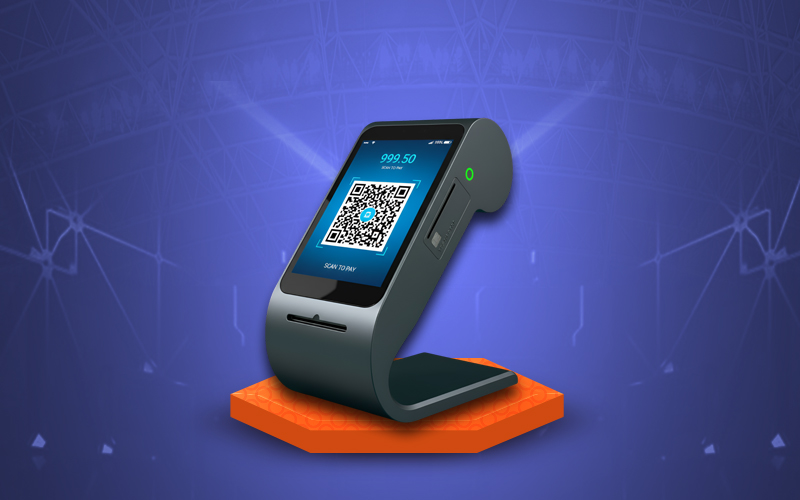
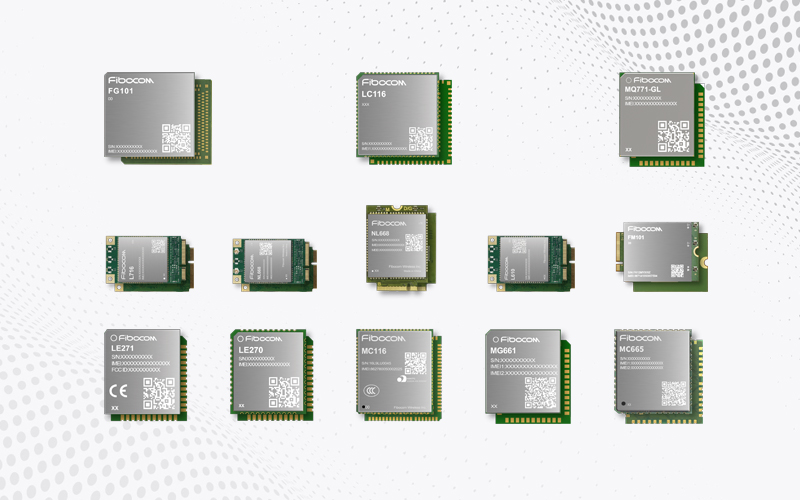
LTE Modules are a category of wireless communication modules designed to provide ubiquitous cellular connectivity for a vast range of IoT (Internet of Things) applications. These modules empower medium- and low-speed IoT applications, ensuring devices can connect to the internet reliably where 5G might still be unavailable or unnecessary. They are small computing components embedded into hardware (like gateways, trackers, or industrial terminals) to bridge the gap between physical devices and cellular networks. They support numerous LTE frequency bands and often include "fallback" capabilities to 3G (WCDMA) or 2G (GSM) to ensure connectivity in remote areas. Many modules integrate multi-constellation GNSS receivers (GPS, GLONASS, BeiDou, Galileo) for high-performance navigation. They support various digital interfaces (USB 3.0/2.0, PCIe, UART, I2C) to allow for easy integration with different operating systems like Windows, Linux, and Android. They are typically available in standardized form factors like M.2, LGA, and LCC, allowing manufacturers to swap modules easily as technology evolves. Typical Applications include Industrial IoT (IIoT), Smart Cities, Automotive & Transportation and Consumer/Retail.
Manufacturers

Related Applications