logo
Wi-Fi & Bluetooth Modules

Wi-Fi & Bluetooth Modules

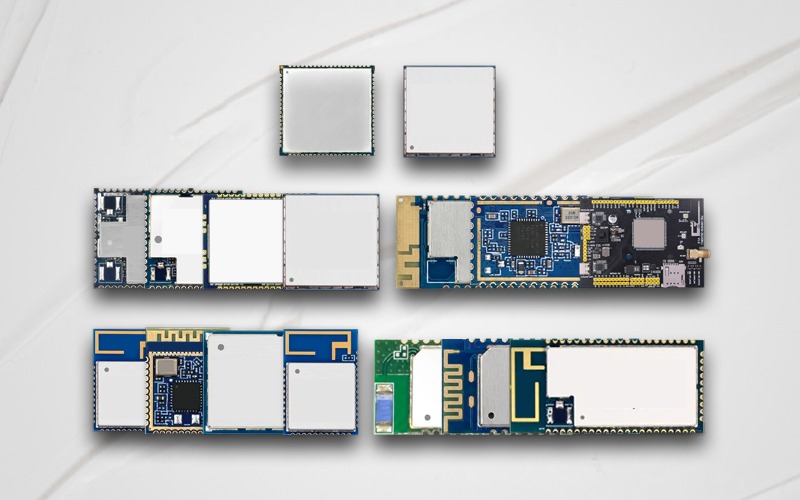
Wi-Fi and Bluetooth Modules are high-performance wireless communication components designed to provide seamless connectivity for the Internet of Things (IoT). Ther are categorized into standalone modules and highly integrated "combo" modules that support both protocols simultaneously. Bluetooth Modules: Available as BLE (Bluetooth Low Energy), Classic Bluetooth, and Dual-Mode modules. They support versions up to Bluetooth 5.4 and even early BLE 6.0 protocols. These are often used for wireless audio (LE Audio), data transmission, and mesh networking. Wi-Fi Modules: These include high-speed Wi-Fi 6, Wi-Fi 5, and Wi-Fi 4 solutions. They operate on both 2.4GHz and 5GHz dual-band frequencies, supporting standards like 802.11 a/b/g/n/ac/ax. Combo Modules (Wi-Fi + BT): These are "System-on-Chip" (SoC) solutions (like the FSC-BW236 or FSC-BW256B) that integrate both Wi-Fi and Bluetooth into a single small-form-factor module.

Beacon & Gateway

Beacon & Gateway

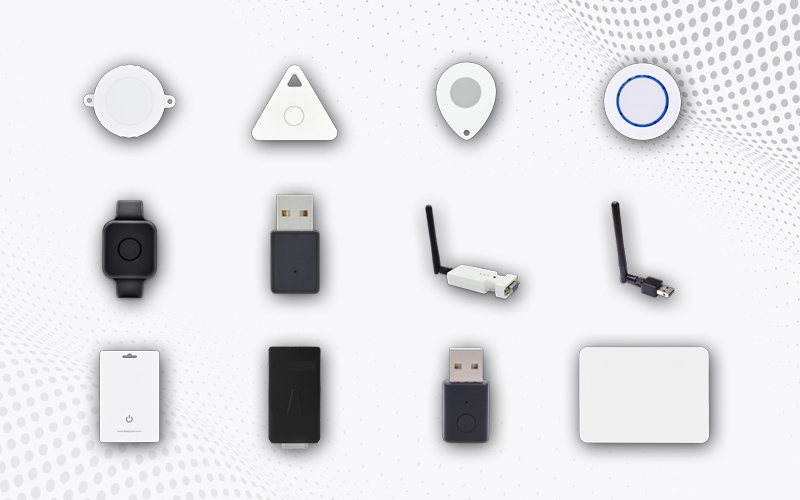
A Bluetooth beacon functions as a small, one-way radio transmitter that continually sends out a signal via Bluetooth Low Energy (BLE). Broadcasting: The beacon periodically broadcasts data packets containing a unique identifier (like a UUID) and possibly sensor data (e.g., temperature). One-Way Communication: Beacons primarily transmit information and do not actively listen for connections, which allows them to be highly power-efficient and run on small batteries for months or years. Applications: They are widely used for indoor navigation, asset tracking, and proximity-based marketing, where a receiving device (like a smartphone with a specific app, or a gateway) interprets the beacon's ID to trigger actions or provide location context. Gateway Functionality A Bluetooth gateway serves as the central "reader" and communication hub in an IoT system, linking the local Bluetooth network to the internet or a local server. Scanning and Connection: The gateway continuously scans for nearby Bluetooth devices and beacons, receiving their signals and data. Data Aggregation and Processing: It collects and aggregates data from multiple Bluetooth devices and can filter or process this data locally (edge computing) before sending it on. Protocol Conversion: It acts as a protocol translator, converting the Bluetooth data into formats (like MQTT or HTTP) compatible with Wi-Fi, Ethernet, or 4G networks for transmission to a cloud server. Remote Management: The gateway enables bidirectional communication, meaning the cloud server can send control commands back to the gateway, which then relays them to connected Bluetooth devices for remote management.

Smart Modules (Android/Linux-based)

Smart Modules (Android/Linux-based)

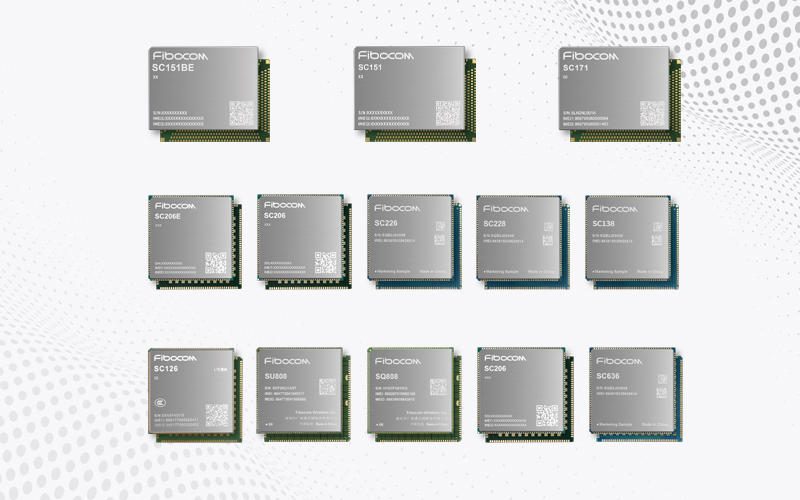
Smart Modules excel in connectivity, multimedia capabilities, and cost-effectiveness. Supporting both Android and Linux operating systems, their powerful CPU/GPU/NPU/DSP architecture provides robust support for terminal intelligence. The hardware and software design balances compatibility and scalability, continuously empowering intelligent upgrades across diverse industries. 5G Smart supports Android and Linux operating systems and 5G connectivity, while integrating Wi-Fi, Bluetooth, GNSS, and other functions. Equipped with high-performance processors and compatible designs across different product tiers, enabling easy iteration and upgrades of customer terminals. 4G Smart supports Android and Linux operating systems and 4G connectivity, while integrating Wi-Fi, Bluetooth, GNSS, and other functions. Available in three tiers based on built-in processor performance to meet the diverse needs of different industries and customers.

5G Modules

5G Modules

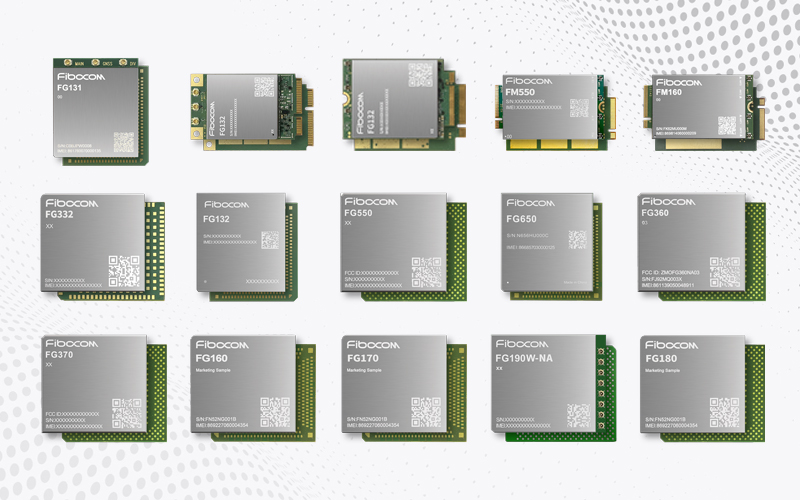
5G wireless communication modules empower high-speed IoT applications, enabling ultra-fast connectivity and ultra-low latency experiences.

Connectors

Connectors

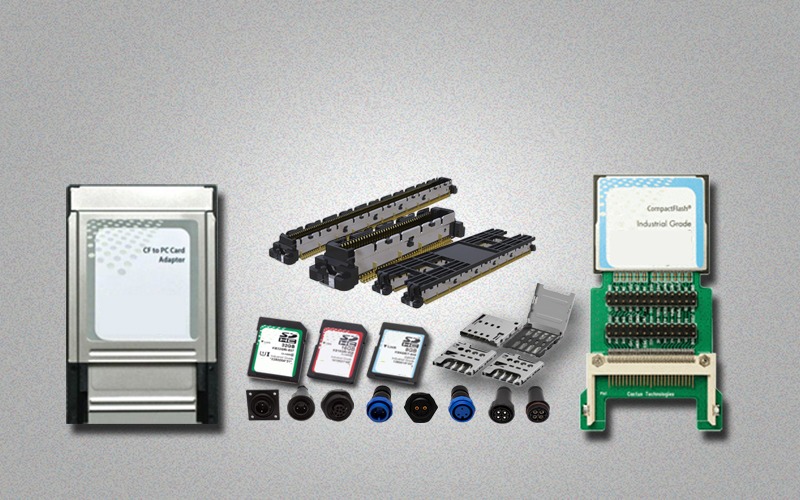
Connectors are essential connectivity solutions that serve as the critical interface for data, signal, and power transmission across various industries. The role of a connector as a component is to ensure seamless communication and facilitate streamlined operations. They are the bridge that optimizes the performance and enhances the efficiency of sophisticated machinery and integrated systems. A connector is defined by its reliability and durability. High-quality connectors are categorized by their ability to withstand environmental stress, physical stress, and mechanical integrity. They provide solutions to different sectors such as industrial, networking, medical, and transportation. A connector is not just a plug, but a meticulously engineered system interface designed to maintain high-speed data and power integrity in demanding professional environments.

LTE Modules

LTE Modules

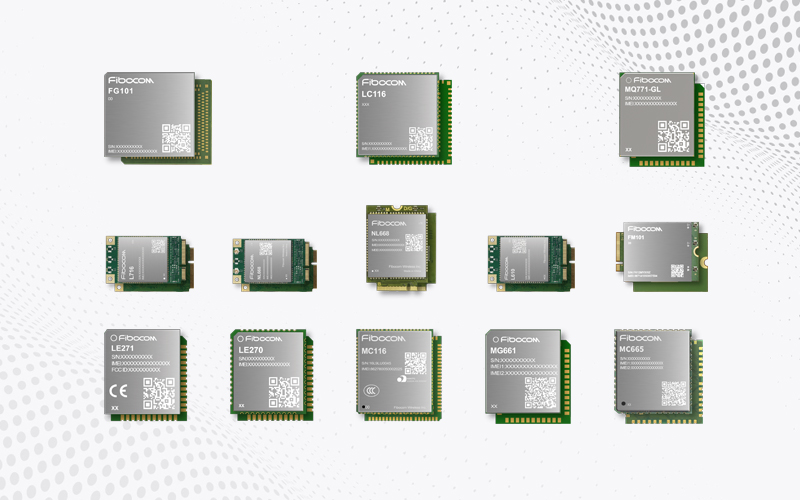
LTE Modules are a category of wireless communication modules designed to provide ubiquitous cellular connectivity for a vast range of IoT (Internet of Things) applications. These modules empower medium- and low-speed IoT applications, ensuring devices can connect to the internet reliably where 5G might still be unavailable or unnecessary. They are small computing components embedded into hardware (like gateways, trackers, or industrial terminals) to bridge the gap between physical devices and cellular networks. They support numerous LTE frequency bands and often include "fallback" capabilities to 3G (WCDMA) or 2G (GSM) to ensure connectivity in remote areas. Many modules integrate multi-constellation GNSS receivers (GPS, GLONASS, BeiDou, Galileo) for high-performance navigation. They support various digital interfaces (USB 3.0/2.0, PCIe, UART, I2C) to allow for easy integration with different operating systems like Windows, Linux, and Android. They are typically available in standardized form factors like M.2, LGA, and LCC, allowing manufacturers to swap modules easily as technology evolves. Typical Applications include Industrial IoT (IIoT), Smart Cities, Automotive & Transportation and Consumer/Retail.

Antennas

Antennas

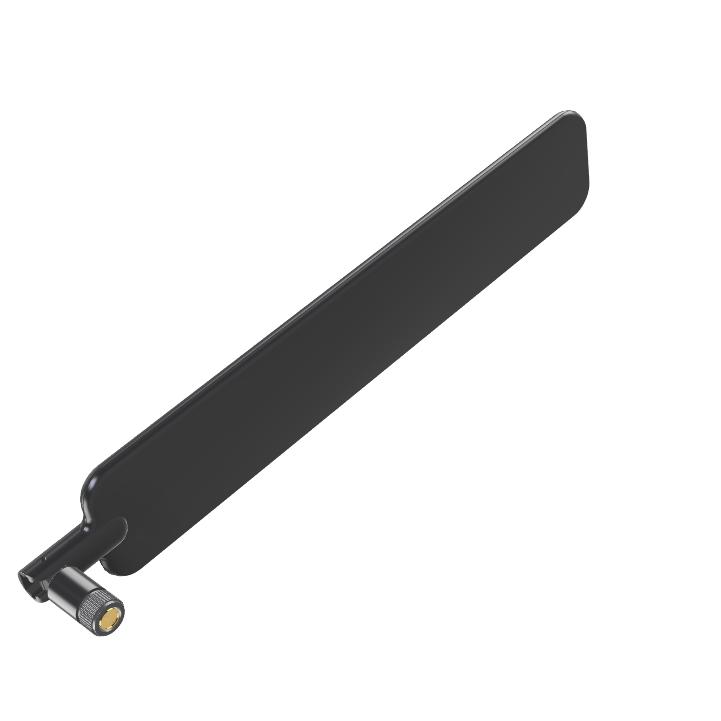
An antenna is a system or solution that serves as a high-performance interface for wireless communication.High-performance antenna systems enable market-leading performance for 5G, Enterprise, Consumer, IoT, and Smart Energy applications. 2D and 3D solutions are based on advanced materials and proprietary design principles. The purpose of our antennas is to provide improved coverage, extended range, multi-gigabit data rates and size reduction. Antennas are not just passive components, but also integrated, geometry-optimized systems designed to maximize the efficiency of the "air interface" in complex wireless environments.

GNSS Modules

GNSS Modules

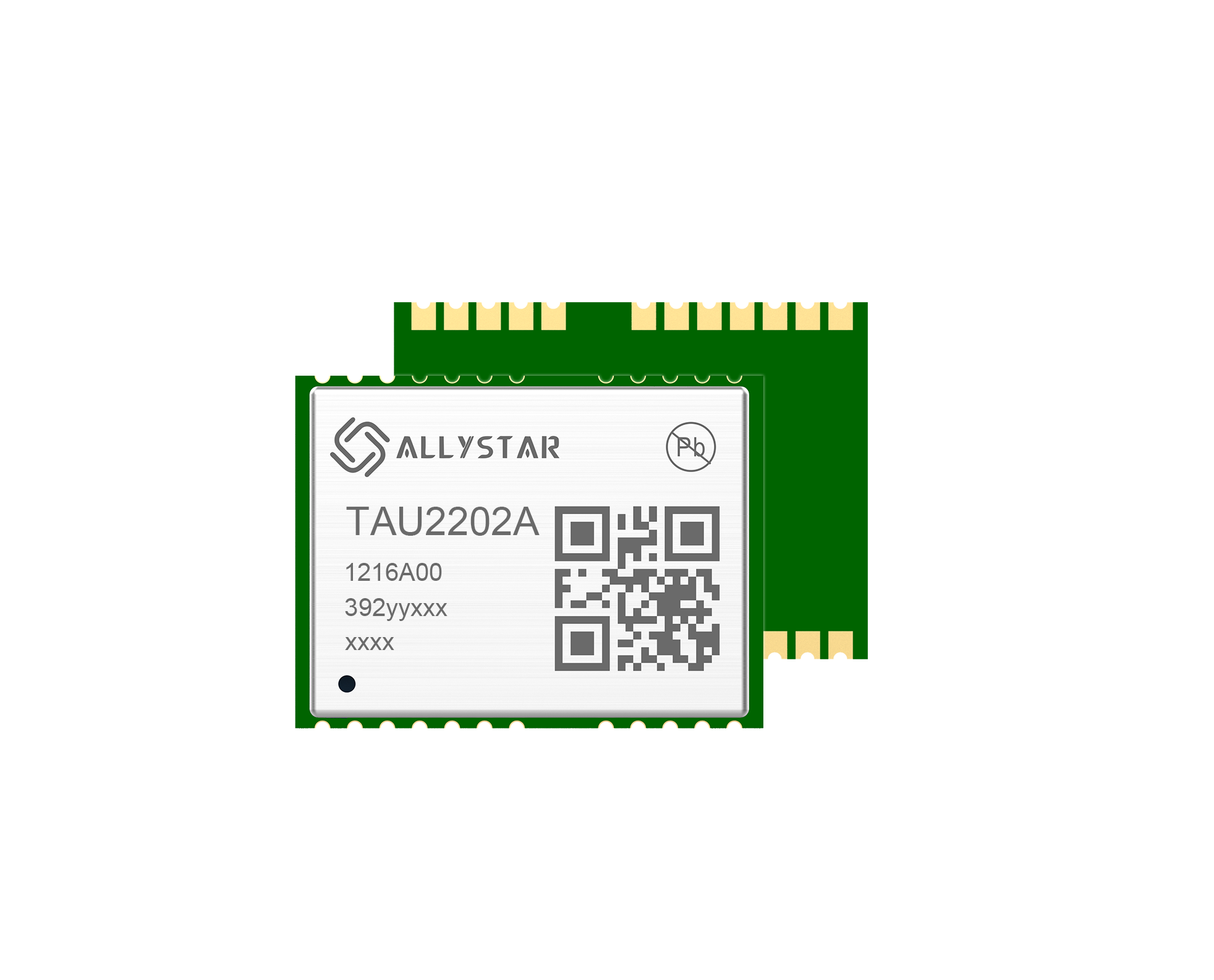
Designed for dual-band high-precision positioning, these modules are optimized for high-accuracy applications and enable breakthroughs in key technical areas such as broadband RF, configurable baseband architecture, anti-interference performance, and ultra-low power consumption. They are built on a multi-system, multi-frequency baseband and RF-integrated high-precision SoC that supports BDS-3, representing a major advancement in GNSS chip integration. The underlying chipset architecture has been recognized among the world’s leading professional navigation and positioning solutions, and is also acknowledged in international GNSS market analyses as a key component used in consumer navigation solutions.

System-On-Modules (SOMs)

System-On-Modules (SOMs)

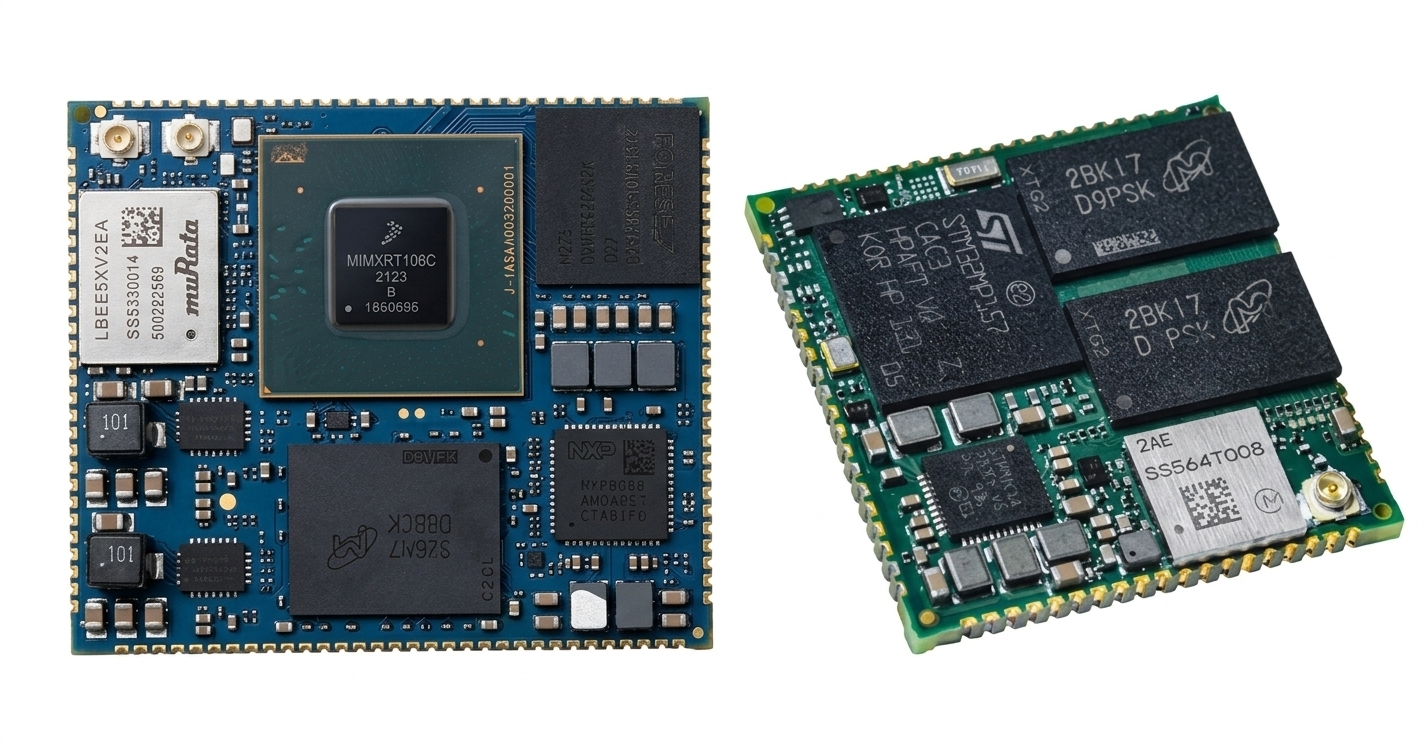
A System-on-Module (SOM) provides the core components of an embedded processing system — including processor cores, communication interfaces, and memory blocks — on a single production-ready printed circuit board (PCB). This modular approach makes a SOM ideal for embedding into end systems, from robots to security cameras. SOMs make the impossible possible for developers, reducing time-to-market and keeping costs down. Creating an embedded system is typically a lengthy process, requiring custom board design and manufacture. A SOM streamlines the steps needed to bring a design to fruition. Simply choose a SOM that fits your needs, integrate it into your end system, and you’re ready for deployment. Beyond enabling high volume deployment, module-based designs simplify product life cycle management and reduce bill of material (BOM) expenses.

Single-Board Computer (SBC)

Single-Board Computer (SBC)

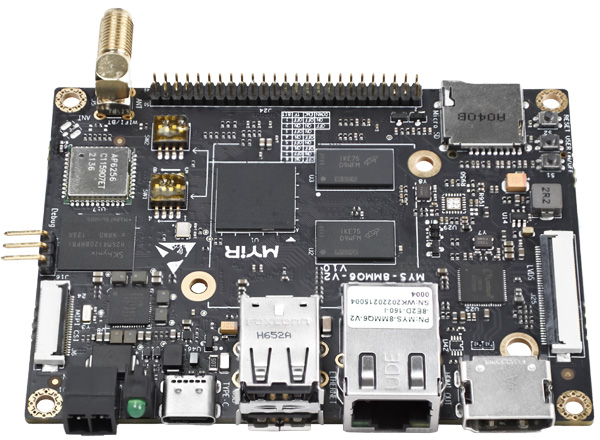
A single-board computer (SBC) is a complete computer built on a single circuit board, with microprocessor(s), memory, input/output (I/O) and other features required of a functional computer. Single-board computers are commonly made as demonstration or development systems, for educational systems, or for use as embedded computer controllers. Many types of home computers or portable computers integrate all their functions onto a single printed circuit board. Unlike a desktop personal computer, single-board computers often do not rely on expansion slots for peripheral functions or expansion. Single-board computers have been built using a wide range of microprocessors. Simple designs, such as those built by computer hobbyists, often use static RAM and low-cost 32- or 64-bit processors like ARM. Other types, such as blade servers, would perform similar to a server computer, only in a more compact format.

Power Solutions

Power Solutions

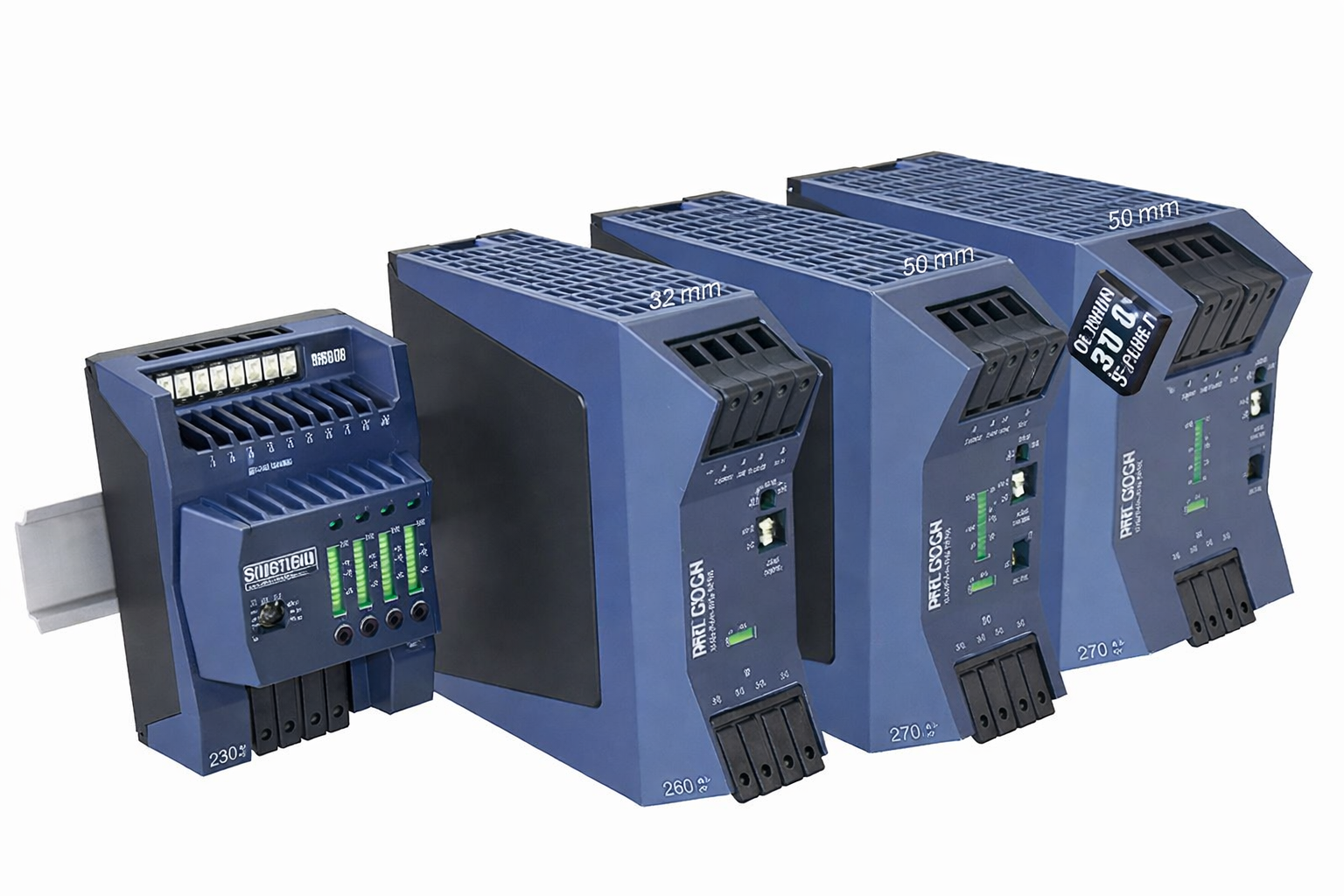
Power solutions refer to the design, development, and deployment of reliable electrical power systems tailored for demanding and mission-critical applications. These solutions typically include high-power AC/DC and DC/DC converters, inverters, power-factor-correction (PFC) front ends, and bidirectional power supplies capable of efficient energy conversion and management. They are used in applications such as battery charging, cell balancing, bidirectional energy flow, braking, signaling, and control systems, as well as in high-availability and safety-critical environments. Power solutions are often engineered to operate under harsh environmental conditions and are applied across sectors such as transportation, industrial systems, energy infrastructure, medical technology, defense, and material handling, combining standardized designs with customized architectures to meet stringent safety, robustness, and performance requirements.

AC/DC Power Supplies

AC/DC Power Supplies

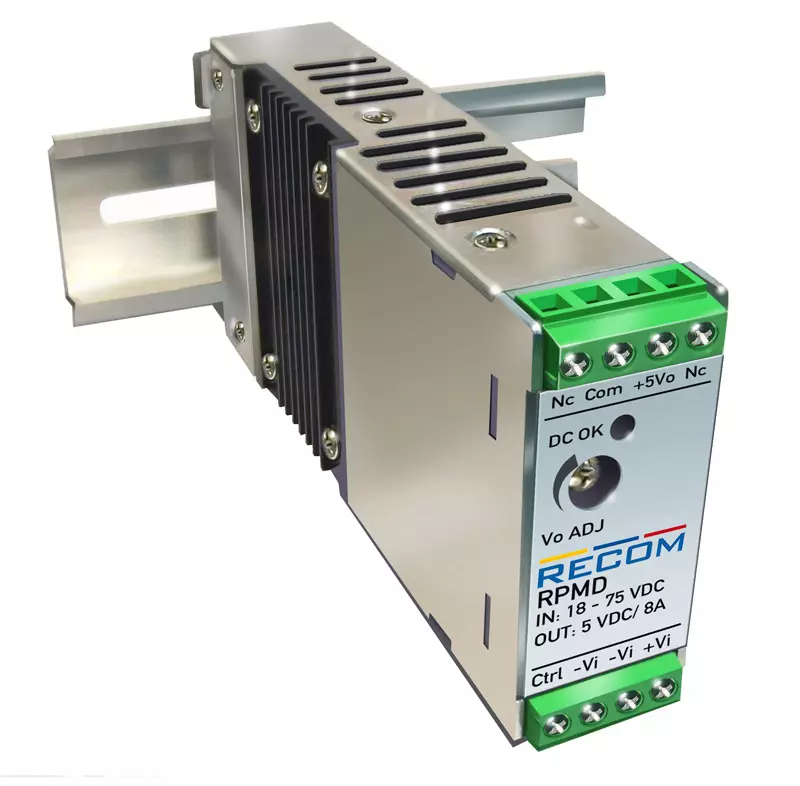
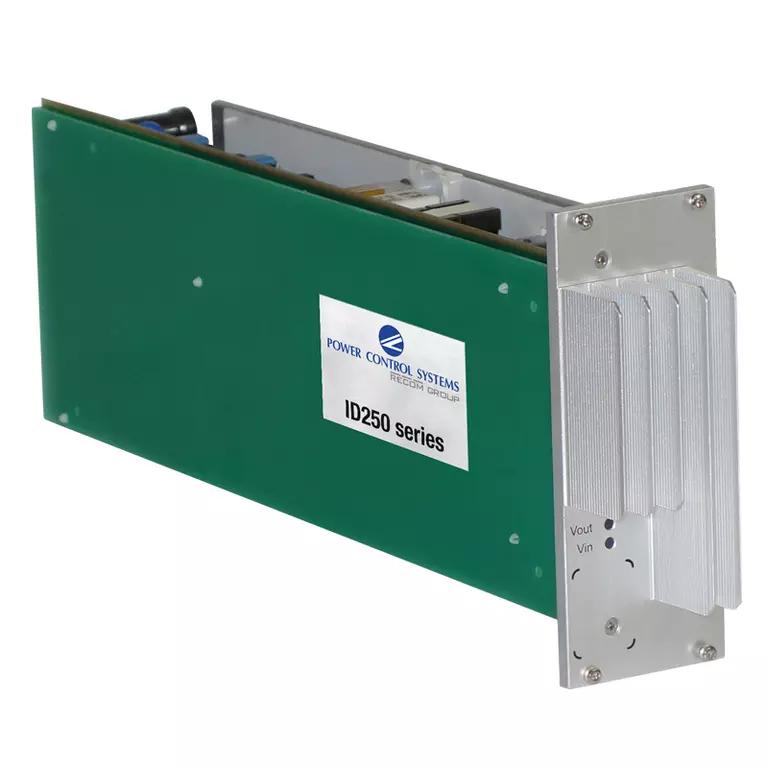
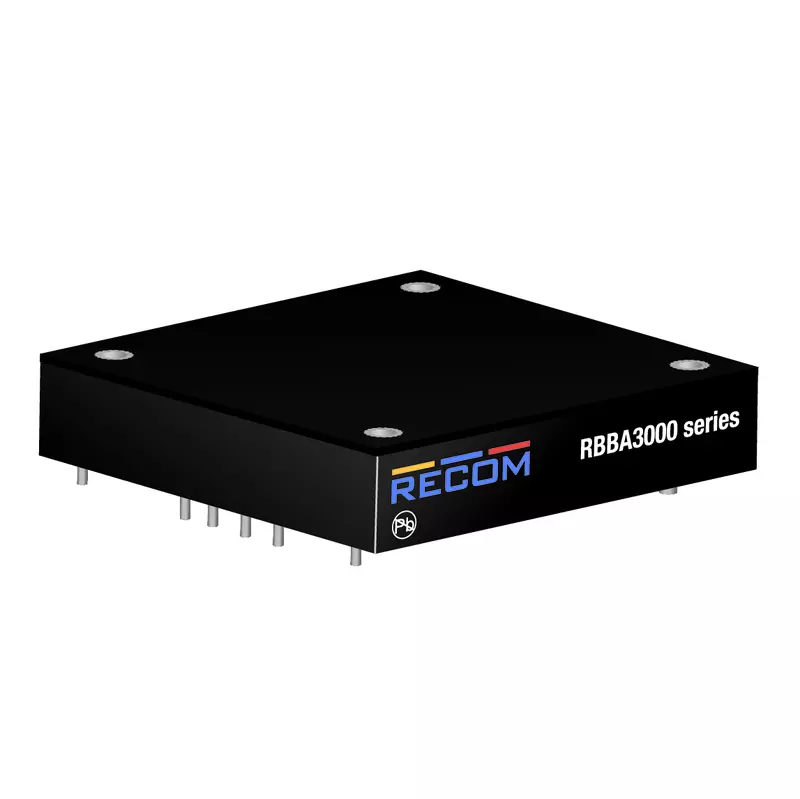
AC/DC power supplies convert alternating current (AC) from mains power into regulated direct current (DC) suitable for electronic systems and equipment. They are available in both PCB-mount and chassis-mount form factors and are designed to meet modern requirements for safety, cost efficiency, energy efficiency, reliability, and compact size. Advances in switching controllers, circuit topologies, and power components enable high power density designs while maintaining robust electrical isolation, thermal performance, and long-term reliability. Modern AC/DC power supplies typically support a wide nominal input voltage range (commonly 100VAC to 277VAC) for global operation and comply with international safety and EMC standards such as UL, IEC, and EN. Strong emphasis is placed on high efficiency not only at full load, but also under light-load and no-load conditions to meet regulatory requirements and reduce energy consumption in standby or idle modes. As a result, these power supplies are engineered to deliver consistent efficiency across the entire load range. AC/DC power supplies are available across a broad power spectrum, from low-power modules to high-power converters exceeding the kilowatt range. They commonly feature high power density, reinforced isolation (typically up to several kilovolts), wide operating temperature ranges, Class B EMC compliance, and cost-effective designs, making them suitable for industrial, medical, energy, transportation, and commercial applications.

Isolated DC/DC converters

Isolated DC/DC converters

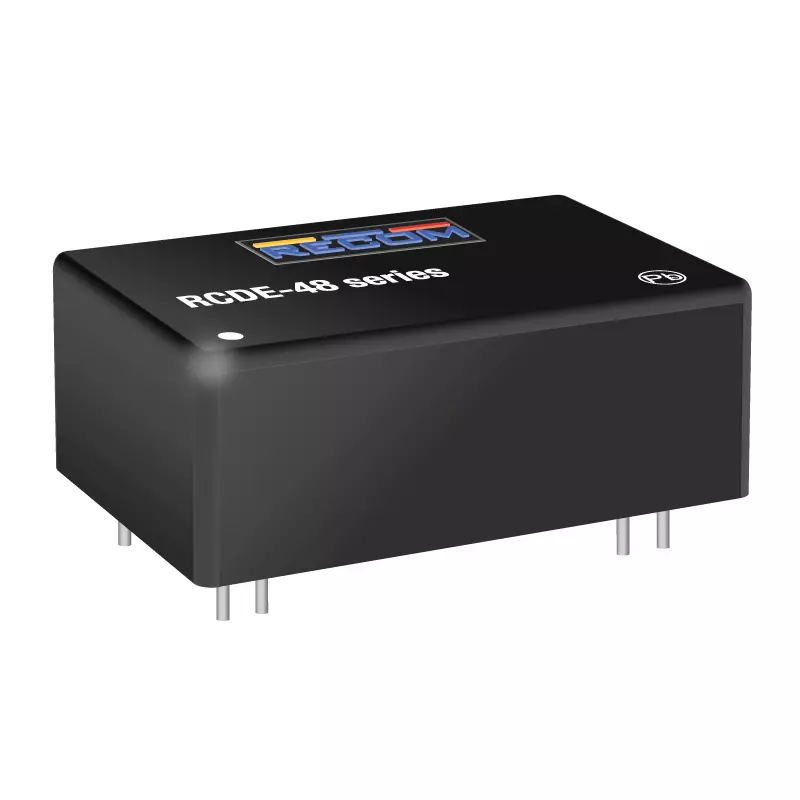
Isolated DC/DC converters are power conversion devices that transfer electrical energy between two DC circuits while maintaining galvanic isolation between the input and output. This isolation enhances safety, protects sensitive electronics, breaks ground loops, and improves noise immunity in demanding applications. These converters are available in a wide range of power levels, from sub-watt modules to high-power units in the kilowatt range, and in various form factors such as surface-mount, through-hole, and brick-style packages. They support numerous input and output voltage combinations, wide operating temperature ranges (commonly from –40 °C to +100 °C), and high efficiency, making them suitable for industrial, medical, transportation, energy, and telecommunications systems. Isolated DC/DC converters are typically designed to meet international safety standards and are used where electrical separation, reliability, and robust performance are critical.

Switching Regulators

Switching Regulators

Switching regulators are power conversion devices that efficiently regulate output voltage by rapidly switching internal transistors on and off and controlling energy transfer through inductive or capacitive elements. Compared to linear regulators, they achieve significantly higher efficiency—often exceeding 90%—which reduces power loss and heat generation and typically eliminates the need for heat sinks. These regulators are commonly designed as drop-in replacements for linear regulators, offering compatible pin configurations while providing superior performance. They support a wide range of input voltages, higher output currents, and compact form factors such as SIP, QFN, LGA, and standardized module footprints. Switching regulators are available in buck, boost, and buck-boost topologies, allowing them to step voltages down, up, or both, depending on application requirements. Switching regulators are widely used in point-of-load regulation, embedded systems, industrial electronics, and space-constrained designs where efficiency, thermal performance, and compact size are critical.

LED drivers

LED drivers

LED drivers are specialized, self-contained power supplies designed to regulate power to LEDs or strings of LEDs. Unlike standard industrial power supplies, Recom's LED drivers are specifically engineered to match the electrical characteristics of LEDs to prevent "thermal runaway" and ensure long operating life. Constant Current (CC) Drivers are the most common for high-power LEDs. They automatically adjust the output voltage to maintain a stable output current, ensuring consistent brightness and protecting the LEDs from overheating even as their temperature changes. Constant Voltage (CV) Drivers provide a fixed output (typically 12V or 24V) and are ideal for LEDs arranged in strings with internal current regulation, such as LED strips, cove lighting, and recessed lighting. LED Drovers regulate AC or DC input into the precise DC output required by LEDs. They feature built-in protection against overloads, short circuits, open circuits, and over-temperature (OTP). Because LEDs are non-linear devices, their "forward voltage" reduces as they heat up. Our LED Drivers respond to these temperature changes to ensure the LED does not over-drive itself.

Rectifiers

Rectifiers

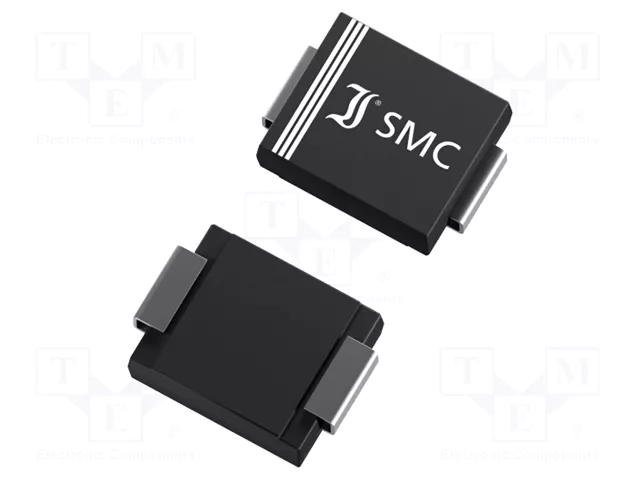
Rectifiers are primary semiconductor components used to convert alternating current (AC) into direct current (DC), allowing electric current to flow in only one direction. They are categorized based on their speed, recovery characteristics, and structural design. Rectifiers are used across several sectors such as Mobility, Industrial, Energy and Consumer/Lighting.

Diodes

Diodes

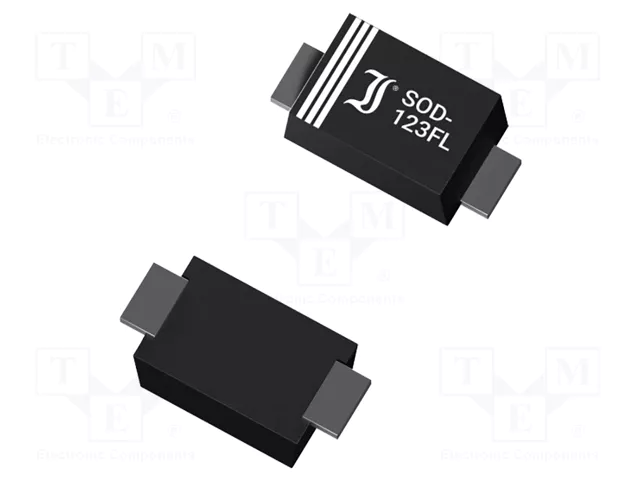
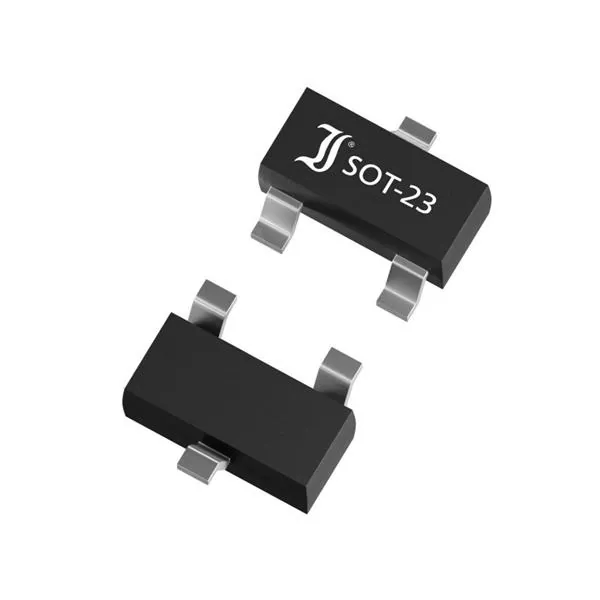
Diodes are semiconductor components designed to control the direction of electric current, primarily allowing it to flow in one direction while blocking it in the reverse.

Regulators

Regulators

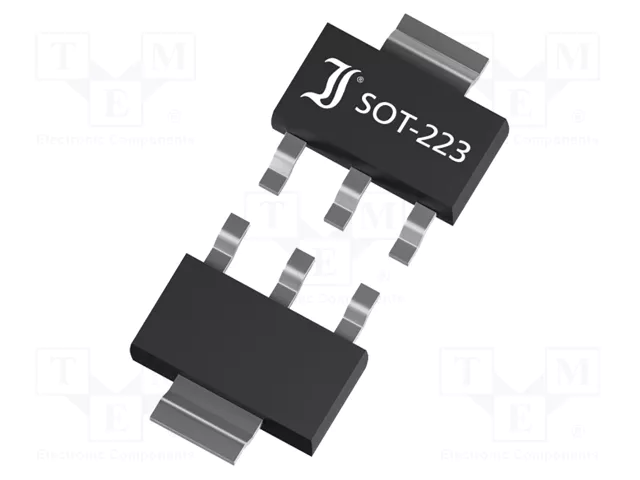
Regulators are components designed to maintain a constant output (either voltage or current) despite variations in input conditions or load demands.   Linear Voltage Regulators (IC Type) are integrated circuits (ICs) designed to provide constant DC voltage regulation and protection against voltage overshoots. Zener Diodes (Shunt Regulators), while technically diodes, are classified under "Voltage Stabilization." They act as simple shunt regulators by exploiting the reverse breakdown effect. Current Limiting Diodes (CLD), also referred to as Current Regulators, are the "dual" of a voltage regulator. Instead of keeping voltage constant, a CLD keeps the current constant over a wide range of voltages.

Transistors

Transistors

Transistors are discrete semiconductor components primarily used for control, signal processing, and switching in electronic circuits. They are categorized into several distinct groups based on their architecture and intended application. They are utilized across several key industries such as Mobility, Industrial/Consumer & Energy.

COM Ecosystem

COM Ecosystem

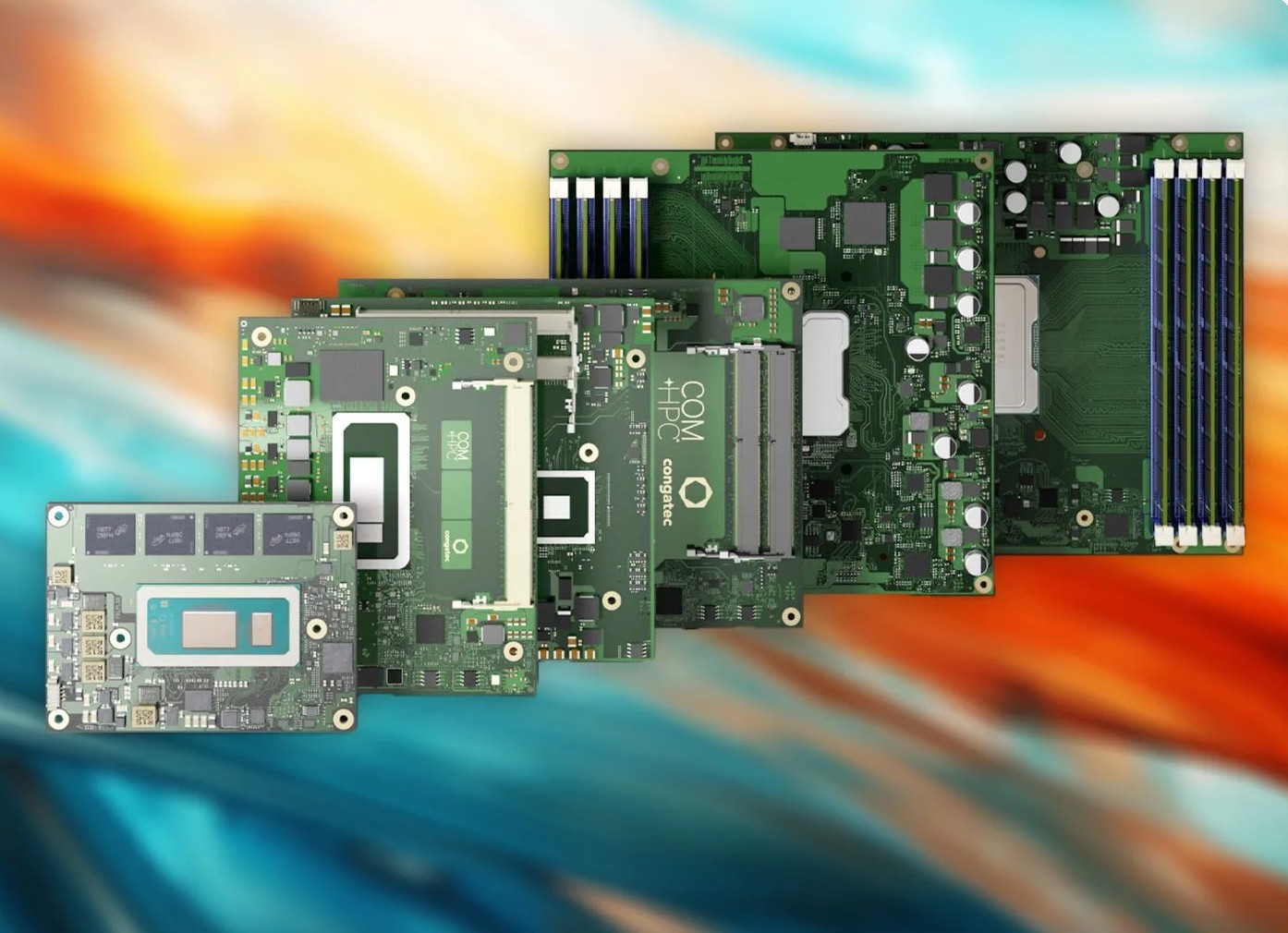
A COM Ecosystem is the comprehensive support structure surrounding a specific module standard. It is the total package of hardware, software, and services.  A module is only as good as the ecosystem supporting it. COM Ecosystems are highly customizable via carrier boards and software. They provide the tools to prototype and reach market fast. An ecosystem includes: Carrier Boards, Cooling Solutions, Software & Firmware and Design-In Services. 

Protection (TVS/ESD)

Protection (TVS/ESD)

Protection (TVS/ESD) components are specialized semiconductor devices designed to shield sensitive electronic circuitry from transient overvoltage events, such as Electrostatic Discharge (ESD), lightning strikes, and inductive load switching. These components are "tiny shields" that act as a parallel path to ground, diverting harmful energy away from the protected load.

MOSFETs

MOSFETs

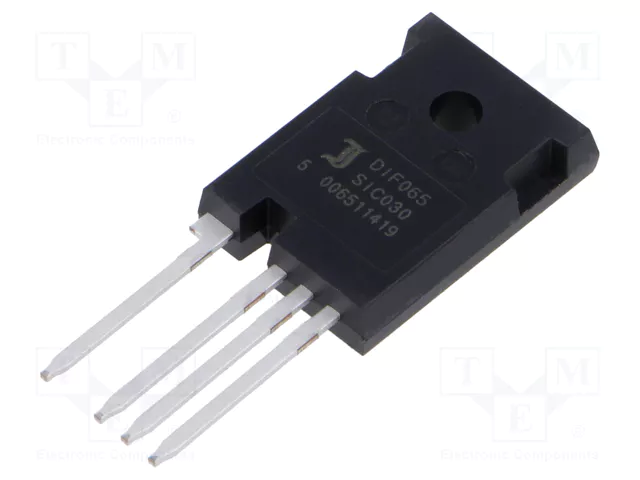
MOSFETs (Metal-Oxide-Semiconductor Field-Effect Transistors) are high-efficiency semiconductor components primarily utilized as (power) switches, signal processing devices, and for polarity protection. Our products utilize modern trench gate structures to achieve a very low on-state resistance and extremely fast switching times. This design is focused on saving energy and reducing operational costs. As voltage-controlled devices, MOSFETs feature a "Metal Oxide" gate electrode that is electrically insulated from the main channel, resulting in nearly infinite input impedance and minimal driving effort (low gate charge). Many of our power MOSFETs are designed with a reverse avalanche characteristic to ensure safe operation even under high-stress conditions.

READY TO DO WITH US?

Let's get to work

Are you looking for Fides Electronics is a specialized and focused electronic components distributor, dedicated to provide the right solution to the market applications.

Contact us